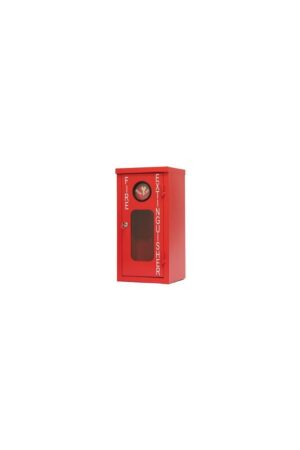
Fire extinguisher cabinets protect and clearly identify your extinguisher while keeping it accessible in an emergency. They’re used in commercial buildings, factories, warehouses, and outdoor installations where the extinguisher needs UV protection, tamper evidence, or weather protection — and where visible identification is required under AS 2444.
This category covers 15 cabinet types: plastic UV-treated, powder coated metal, fibreglass, and stainless steel — in single and double configurations, with break-glass panels, latches, or lockable doors.
How to Choose a Fire Extinguisher Cabinet
1. Choose by Material
- Plastic (UV-treated) — Lightweight and impact-resistant. The most common choice for general indoor and outdoor commercial use. Options from $99.
- Powder coated steel — More rugged for high-traffic areas. Break-glass panel versions provide tamper evidence — you can see at a glance whether the extinguisher has been removed.
- Fibreglass — Weather-sealed and corrosion-resistant. Designed for coastal, marine, and harsh outdoor environments where steel or plastic would degrade.
- Stainless steel — Maximum corrosion resistance for food production, chemical, or marine environments with heavy salt or chemical exposure.
2. Choose by Size
- Medium cabinets — Suit 2.5kg and 4.5kg extinguishers
- Large cabinets — Suit 9kg extinguishers
- Twin/double cabinets — House two extinguishers side by side
3. Choose the Opening Mechanism
- Break-glass panel — Tamper-evident. The panel must be broken to access the extinguisher, signalling that the cabinet hasn’t been opened unnecessarily. Standard in most commercial buildings.
- Latch or lockable — Quicker access without destroying the panel. Better where frequent access is expected (e.g. during training drills).
Common Applications
- Commercial offices, retail stores and shopping centres
- Factories, warehouses and industrial facilities
- Construction sites and outdoor installations
- Marine, coastal and harsh-weather environments
- Buildings requiring compliance with AS 2444 and the Building Code of Australia
Frequently Asked Questions
Do I need a cabinet for my fire extinguisher?
Not always — but cabinets are required or strongly recommended in commercial buildings where the extinguisher needs weather protection, tamper evidence, or clear identification. AS 2444 covers the placement and identification of portable fire extinguishers. Check your building’s fire safety compliance requirements or ask your fire safety technician.
What size cabinet do I need?
Match the cabinet to your extinguisher size: medium cabinets suit 2.5kg–4.5kg extinguishers; large cabinets suit 9kg extinguishers. If you’re housing two extinguishers together, choose a twin cabinet.
What’s the difference between a break-glass and a latch cabinet?
Break-glass cabinets have a tamper-evident panel — you must break it to access the extinguisher. This makes it immediately obvious if the extinguisher has been used or removed. Latch cabinets open with a simple push and are better where the extinguisher needs to be accessed regularly without damaging the cabinet each time.
Can I use a fibreglass cabinet outdoors near the ocean?
Yes — fibreglass cabinets are specifically designed for coastal and marine environments where salt air and UV exposure would degrade plastic or corrode steel over time. For the most corrosive environments, the stainless steel cabinet is the premium option.
Are replacement panels available?
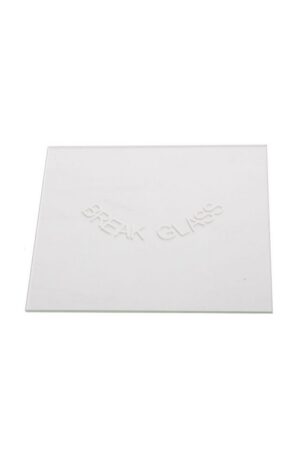
Yes — replacement break-glass panels are sold separately. See the Break Glass Replacement Panel (WCFEXBG-105, $16).