Fire Extinguisher Types in Australia: The Complete Guide
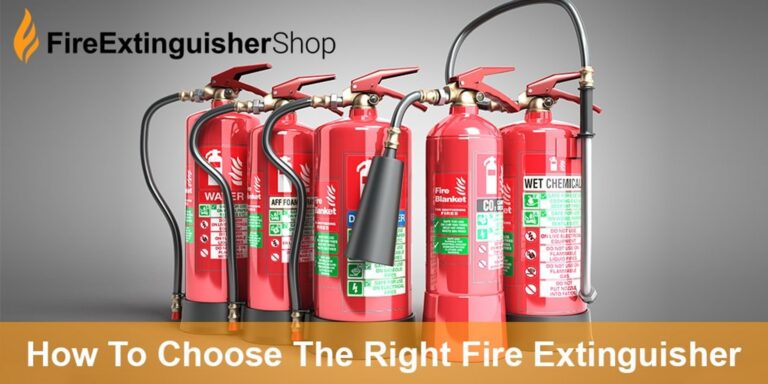
There are five types of fire extinguishers in Australia — dry chemical (ABE/BE), CO2 carbon dioxide, wet chemical, foam, and water. Each is designed for specific fire classes and identified by a coloured band on the cylinder. Using the wrong type can make a fire worse rather than better, so knowing which extinguisher you need before a fire breaks out is critical.
Fire Extinguisher Types at a Glance
| Type | Colour Band | Fire Classes | Best For | Shop |
|---|---|---|---|---|
| Dry Chemical ABE | White | A, B, C, E | Homes, offices, vehicles, warehouses | View |
| CO2 Carbon Dioxide | Black | B, E | Server rooms, electrical panels, offices | View |
| Wet Chemical | Oatmeal | A, F | Commercial kitchens, restaurants | View |
| Foam | Blue | A, B | Workshops, warehouses, flammable liquids | View |
| Water | None (all red) | A only | Paper, wood, textiles — basic use | View |
Fire Classes in Australia
Australian Standard AS/NZS 1841 categorises fires into six classes based on what is burning. Matching your extinguisher to the fire class is critical — using the wrong one can spread a fire or create a hazard.
- Class A — Ordinary combustibles: wood, paper, cardboard, fabric, rubber
- Class B — Flammable liquids: petrol, paint, solvents, oils, alcohol
- Class C — Flammable gases: LPG, propane, butane, acetylene
- Class D — Combustible metals: magnesium, sodium, potassium (industrial settings only)
- Class E — Electrical equipment: computers, switchboards, appliances
- Class F — Cooking oils and fats: vegetable oil, lard, deep-fryer oil
Most fire extinguishers cover multiple classes. The key is matching the extinguisher to the most likely fire hazard in your location — not just buying the cheapest unit on the shelf.
The 5 Types of Fire Extinguishers Explained
1. Dry Chemical ABE — Most Versatile, Most Popular
ABE dry chemical extinguishers are identified by a white colour band and are the most widely used type in Australia. ABE covers three fire classes: A (ordinary combustibles), B (flammable liquids), and E (electrical) — and also Class C (flammable gases), making them the most versatile option available.
Dry chemical works by interrupting the chemical chain reaction that sustains combustion. The powder leaves a white residue after use, which means it’s less ideal for areas with sensitive electronics — CO2 is the better choice there.
- Suitable for: Class A, B, C, and E fires
- Not suitable for: Class D (metal fires) or Class F (cooking oil fires)
- Common locations: homes, offices, vehicles, workshops, warehouses
- Sizes available: 1kg, 1.5kg, 2kg, 2.5kg, 4.5kg, 9kg
Shop Dry Chemical Fire Extinguishers →
2. CO2 Carbon Dioxide — Best for Electrical Fires
CO2 extinguishers are identified by a black colour band and a distinctive horn-shaped discharge nozzle. They extinguish fires by displacing oxygen, and leave no residue — making them the preferred choice for server rooms, electrical switchboards, and data centres where powder residue would damage equipment.
- Suitable for: Class B (flammable liquids) and Class E (electrical)
- Not suitable for: Class A, C, D, or F fires
- Common locations: server rooms, offices, laboratories, electrical switch rooms
- Sizes available: 3.5kg, 5kg, 45kg
Safety note: Do not use CO2 extinguishers in confined, unventilated spaces — displacing oxygen can create a suffocation hazard.
3. Wet Chemical — Required for Commercial Kitchens
Wet chemical extinguishers are identified by an oatmeal (beige) colour band. They contain a potassium-based solution that reacts with hot cooking oil to form a soap-like crust, sealing the surface and preventing re-ignition. They are specifically designed for Class F fires — cooking oils and deep-fryers — and are a requirement under Australian Standards for commercial kitchens.
- Suitable for: Class F (cooking oils) and Class A (ordinary combustibles)
- Not suitable for: Class B, C, D, or E fires
- Common locations: commercial kitchens, restaurants, cafeterias, canteens
- Sizes available: 2L, 7L
Important: Never use a dry powder or water extinguisher on a cooking oil fire. The violent reaction can cause burning oil to explosively splatter outward, dramatically spreading the fire.
Shop Wet Chemical Fire Extinguishers →
4. Foam — Effective on Flammable Liquids
Foam extinguishers are identified by a blue colour band. They extinguish fires by forming a blanket over the burning fuel surface, cutting off the oxygen supply. They’re effective on both Class A and Class B fires, making them a practical option in workshops and warehouses where both combustible materials and flammable liquids are present.
- Suitable for: Class A and Class B fires
- Not suitable for: Class C, D, E (electrical), or Class F (cooking oil) fires
- Common locations: workshops, warehouses, manufacturing facilities
Shop Foam Fire Extinguishers →
5. Water — For Ordinary Combustibles Only
Water extinguishers are all-red with no colour band. They cool the fire and are only suitable for Class A fires — wood, paper, cardboard, fabric, and rubber. Never use a water extinguisher on electrical fires (shock hazard), flammable liquid fires (can spread the fire), or cooking oil fires (dangerous steam explosion).
- Suitable for: Class A fires only
- Not suitable for: Class B, C, D, E, or F fires
- Common locations: schools, offices, storage areas with only Class A hazards
Shop Water Fire Extinguishers →
How to Identify Fire Extinguisher Types by Colour
All fire extinguishers in Australia are red. The type is identified by a coloured band near the top of the cylinder — standardised under AS/NZS 1841:
- White band — Dry chemical ABE or BE powder
- Black band — CO2 carbon dioxide
- Oatmeal/beige band — Wet chemical
- Blue band — Foam
- No band (all red) — Water
Always check the label too — the band confirms the type, but the label specifies the exact fire classes covered and the correct operating method.
Understanding Fire Extinguisher Ratings and Numbers
Every fire extinguisher certified to AS/NZS 1841 displays a performance rating stamped on the label — for example, 6A:40B:E. This tells you exactly how large a fire that unit can extinguish under test conditions.
| Rating Component | What It Means |
|---|---|
| A (number before A) | Class A firefighting capacity — higher number = larger fires. Each point represents a specific test fire size under AS/NZS 1841. |
| B (number before B) | Class B capacity — roughly corresponds to litres of flammable liquid the unit can extinguish. |
| C | Rated for Class C (flammable gas) fires — no number, just a pass/fail indicator. |
| E | Electrically non-conductive — safe to use near live electrical equipment up to 1,000V at 1 metre. |
| F (number before F) | Class F cooking oil rating — applies to wet chemical extinguishers only. |
Common ABE ratings by size
| Size | Typical Rating | Best For |
|---|---|---|
| 1kg ABE | 1A:10B:E | Vehicles, caravans, small boats |
| 2.5kg ABE | 3A:20B:E | Home, small office |
| 4.5kg ABE | 6A:40B:E | Garage, workshop, light commercial |
| 9kg ABE | 10A:60B:E | Warehouse, industrial, large commercial |
A higher rating means more firefighting capacity — but also a heavier unit. For most residential and small office use, a 2.5kg or 4.5kg ABE strikes the right balance between capacity and ease of use. For warehouses and industrial sites, 9kg is the standard minimum.
Australian Standards and Compliance
Three standards govern fire extinguishers in Australia:
- AS/NZS 1841 — Product certification standard. All extinguishers sold in Australia must meet this standard. It defines fire classes, extinguisher types, colour banding, and performance ratings.
- AS 2444 — Selection and placement standard. Covers what types of extinguisher are required for different premises, how many, and where they must be located. Applies to all commercial and industrial buildings.
- AS 1851 — Maintenance standard. Requires all installed extinguishers to be inspected and serviced every 6 months by a licensed fire protection technician. Owners should also check the pressure gauge monthly and shake dry powder extinguishers periodically to prevent settling.
Not sure which type is right for your situation? See our step-by-step guide to choosing the right fire extinguisher for help by location and hazard type.
Frequently Asked Questions
What is the most common type of fire extinguisher in Australia?
The ABE dry chemical fire extinguisher is the most common type in Australia. It covers Class A, B, C, and E fires, making it suitable for the majority of fire risks found in homes, offices, and vehicles.
What fire extinguisher do I need for my home?
A 2.5kg ABE dry chemical extinguisher is the recommended choice for most Australian homes. It covers wood, fabric, flammable liquids, and electrical fires. Place one outside the kitchen and one in the garage if you store petrol or have a workshop.
What extinguisher is best for electrical fires?
CO2 (carbon dioxide) extinguishers are the best choice for electrical fires. They leave no residue and are safe to use near sensitive electrical equipment. ABE dry chemical extinguishers also cover Class E fires but leave a powder residue that can damage electronics.
What type of fire extinguisher is required in a commercial kitchen?
Commercial kitchens require a wet chemical fire extinguisher (oatmeal/beige band). These are specifically designed for Class F fires — cooking oils and deep-fryer fats. Under Australian Standards, a wet chemical extinguisher is the only acceptable type for commercial cooking environments.
Do fire extinguishers expire?
Fire extinguishers don’t have a fixed expiry date, but they must be pressure-tested and hydrostatically tested at regular intervals (typically every 5 years) and serviced every 6 months under AS 1851. If the pressure gauge reads in the red zone, the extinguisher needs recharging immediately regardless of service date.
Ready to buy? Browse all fire extinguishers — all units certified to AS/NZS 1841, fast delivery Australia-wide.