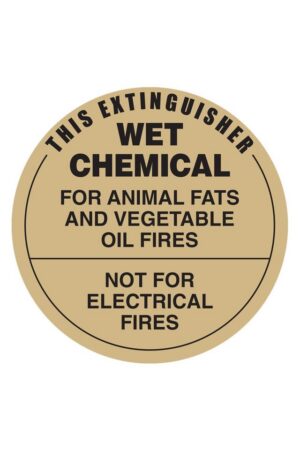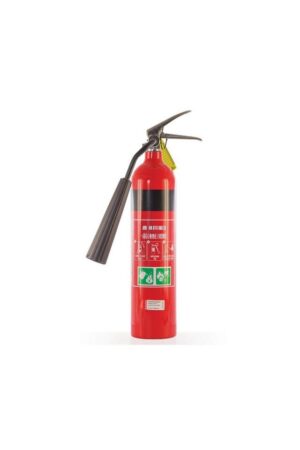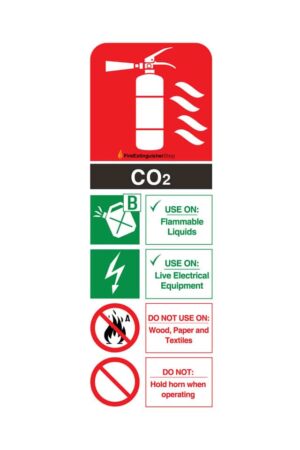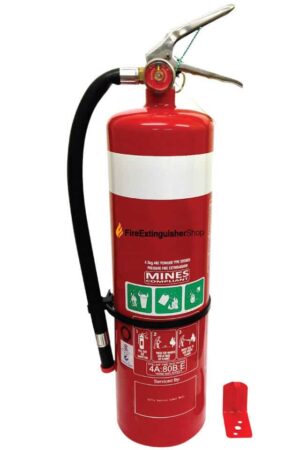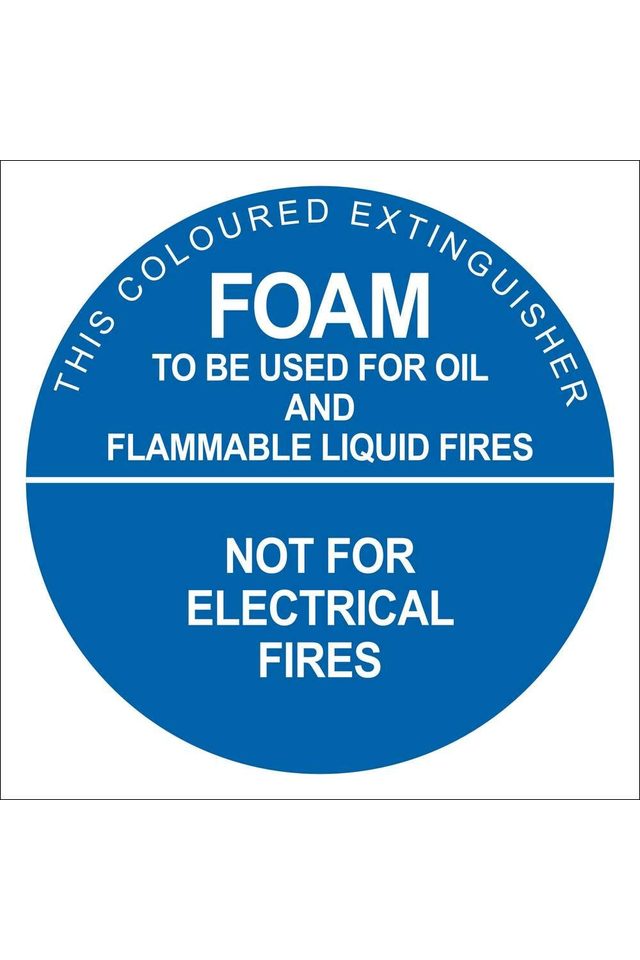
Foam Fire Extinguisher Sign
$10.00
Foam fire extinguisher identification sign. Plastic. Identifies extinguisher type for AS 1851 compliance and user guidance.
Free shipping on orders over $50!
- Satisfaction Guaranteed
- No Hassle Refunds
- Secure Payments
Description
A plastic identification sign for foam fire extinguishers. Mounts on the wall adjacent to the extinguisher to identify it as a foam unit and confirm the fire classes it covers — Class A (ordinary combustibles) and Class B (flammable liquids). Foam extinguishers are specified for locations with flammable liquid hazards where the foam blanket suppression method is preferred over dry powder — including garages, workshops, fuel storage areas, and industrial facilities. The sign ensures building occupants can identify the foam extinguisher quickly and understand its rated fire classes.
Where to Use
- Adjacent to foam fire extinguishers in garages and workshops
- Fuel storage areas and service stations
- Industrial facilities with flammable liquid storage
- Automotive and mechanical workshops
- Locations where foam and other extinguisher types are installed together
Key Features
- Identifies foam extinguisher type
- Shows Class A and Class B ratings
- Plastic construction — durable
- Meets AS 2444 identification requirements
Compliance & Placement
Under AS 2444, every extinguisher must be identified by type. Mount the sign on the wall adjacent to the foam extinguisher, at approximately extinguisher height. In industrial locations where foam and ABE extinguishers are both installed near flammable liquid hazards, clear type differentiation is important because their use cases and limitations differ — foam leaves a blanket residue, ABE leaves dry powder, and each has specific advantages in different fire scenarios. Confirm the sign is present and legible at each AS 1851 service.
Frequently Asked Questions
What Foam Covers
- Class A — ordinary combustibles: wood, paper, cardboard, fabric
- Class B — flammable liquids: petrol, diesel, solvents, paint, industrial oils
- Not for Class E — do not use on live electrical equipment (foam conducts electricity)
- Not for Class F — foam is not rated for cooking oil fires; use wet chemical
What is the advantage of foam over ABE dry powder for flammable liquid fires?
Foam suppresses flammable liquid fires by forming a blanket over the burning liquid surface, cutting off oxygen and preventing evaporation of flammable vapours. The foam blanket also helps prevent re-ignition of the fuel. ABE dry powder works by chemical interruption of the combustion chain — it is effective at rapidly knocking down a fire but does not provide the same fuel surface sealing that foam does. For fires in containers (such as storage drums or sumps) where re-ignition is a concern, foam is often the preferred agent. ABE is often preferred for fires where speed of suppression is the priority. Your fire protection installer can advise on the correct specification for your hazard type.
Why can’t foam be used on electrical fires?
Foam solution is water-based and conducts electricity. Discharging foam onto live electrical equipment creates an electrocution risk for the person operating the extinguisher. For electrical fires, use CO2 (non-conductive, leaves no residue) or ABE dry powder (non-conductive, but leaves residue that damages equipment). Always isolate power before using foam on any fire in an electrical environment, or use a CO2 extinguisher instead.
What is the difference between foam and wet chemical?
Foam and wet chemical both suppress fires via a liquid blanket mechanism, but they are formulated for different fire classes. Foam is rated for Class A and B fires (ordinary combustibles and flammable liquids). Wet chemical is specifically formulated for Class F fires (cooking oils and fats at very high temperatures) and Class A. Wet chemical must not be used as a substitute for foam on Class B fires, and foam must not be relied on for cooking oil fires. Each requires its own type identification sign.
What size is this sign?
Confirm the exact dimensions in the product listing. Standard type identification signs are suitable for most commercial and industrial extinguisher installations where close-range identification is the requirement.
Additional information
| Weight | 0.1 kg |
|---|